Article
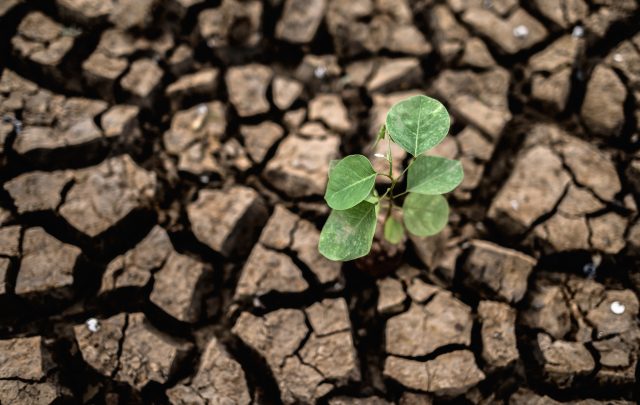
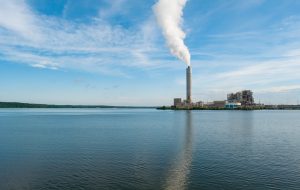
The world can no longer avoid overshooting the 1.5C warming limit, but global temperatures could still be brought back down to that level by 2100, according to the UN Environment Programme’s (UNEP) 2026 Emissions Gap Report, published in October. Getting there would require global greenhouse gas emissions to fall by 18% by 2030, 45% by 2035 and 69% by 2040, compared with 2025 levels. That equals an average cut of 5.7% a year over the next decade, a steeper rate than the roughly 5% a year set out in the IPCC’s last major assessment.
Even on this pathway, warming would peak at 1.7 to 1.8C around mid-century. Bringing it back down would also mean removing and permanently storing around 320bn tonnes of carbon dioxide, roughly eight years of global emissions at current levels, and UNEP warns that removal at this scale is far from certain.
Current national climate plans fall well short. Even if fully delivered, they would cut emissions by only 5 to 8% by 2030 and 11 to 15% by 2035, and current policies put the world on course for 2.8C of warming. UNEP says its outlook has worsened partly because the US, the world’s second-largest emitter, has left the Paris Agreement and dropped its net-zero goal. The report does point to progress on renewables, with global capacity expanding at three times the rate forecast in 2015. UNEP is urging governments to raise their ambition ahead of COP31 in Antalya next month.
Shein outscores Australian fashion retailers in ethics report
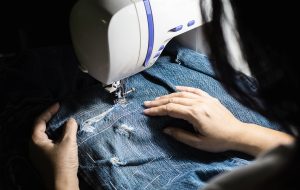
China-based fast fashion retailer Shein has scored higher than a number of well-known Australian fashion brands in Baptist World Aid Australia’s 2026 Ethical Fashion Report, released in October. Now in its 11th edition, the report assessed 138 companies covering 543 brands on five areas, including worker empowerment and environmental sustainability, and gave each a score out of 100.
Shein received 28, below the average of 31.5, and with just one point for worker empowerment. Department store Myer scored 20, Boardriders, which owns Billabong and Roxy, scored three, and activewear brand 2XU scored two. Swimwear label Seafolly scored one, while Ghanda and Windsor Smith scored zero. Baptist World Aid notes that Shein provided information directly to researchers, whereas these Australian companies did not and were assessed only on what they had published.
Across all companies assessed, only 13% could show that any workers in their supply chains were paid a living wage. Baptist World Aid says progress has stalled and that government regulation is now needed to push companies to improve.
The findings carry weight in Australia, which sends more than 200,000 tonnes of clothing to landfill every year.
$10m funding available for renewable ag start-ups
US venture capital firm Radicle Growth has teamed up with John Deere and Land O’Lakes, through its AgRogue platform, to launch the Radicle Renewables Challenge. The global search is aimed at start-ups developing renewable chemicals, feedstocks, fuels, materials, and processing and infrastructure technology. Selected winners will receive an equity investment of up to $10m. Start-ups must hurry up if they want to apply because applications close on 20 November 2026.
Land O’Lakes sees the renewables economy as a way to create new demand and income for farmers, provided new technologies work across the agricultural value chain and reach growers through trusted retail channels. Venture capital Radicle Growth says working with large agribusinesses gives it a clearer view of what their customers, and ultimately farmers, need.
The challenge comes at a difficult time for agtech investment. Radicle Growth’s chief technology officer, Neal Gutterson, says the market for exits remains weak and believes venture funding in the sector has yet to reach its lowest point.
Author details


 Podcast

 Cross-sector