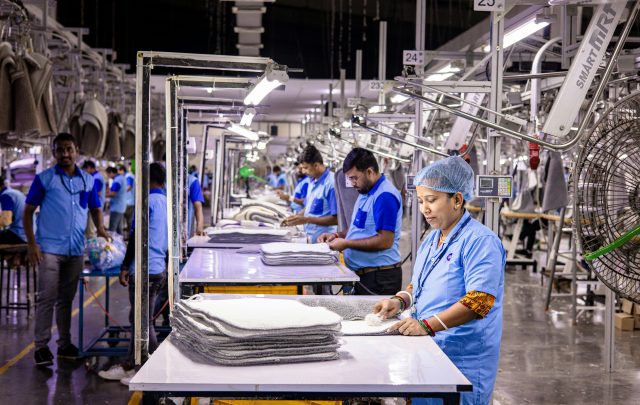
Imagine a brand changes the trim on an order of 50,000 shirts three weeks before shipping, but the delivery date stays the same. In many supplier contracts, it is the factory that absorbs the extra cost, the pressure on its workers and any late delivery penalty.
That imbalance is built into a lot of supplier contracts. The manufacturer promises compliance, while the brand’s own buying decisions, such as late changes and tight deadlines, rarely come under the same scrutiny.
The last two years have put that under a spotlight. When US tariffs shifted, research tracked brands pressing suppliers for discounts of up to 25 percent and pausing or cancelling orders. Better Buying’s January 2026 survey, drawing on nearly 1,000 supplier ratings, shows many brands improving their planning and visibility, but suppliers say it is not yet enough, and they want more shared accountability for workplace and environmental performance.
Responsible contracting offers a different model. Developed by the Responsible Contracting Project, it rests on four principles: shared responsibility for human rights and the environment, responsible purchasing practices, remediation first, and responsible exit as a last resort. Brands and manufacturers each commit to their own obligations, and to working together to prevent and address harm.